
The aorta is the body's largest artery, carrying blood from the heart down through the chest and abdomen. An abdominal aortic aneurysm (AAA) is a balloon-like bulge that forms in the section of the aorta that runs through the belly. As the arterial wall weakens, the bulge can expand and — if it ruptures — cause catastrophic internal bleeding.
Why It’s a Big Deal in the U.S.
AAAs are often called “silent” because many people have no symptoms until the aneurysm becomes large or ruptures. In the United States, thousands are affected each year, and fatalities climb when detection is delayed. That’s why awareness and targeted screening are essential—especially for high-risk groups.
Who’s Most at Risk?
- Men aged 65–75, particularly those who have ever smoked
- Current or former smokers of any age
- People with uncontrolled high blood pressure or high cholesterol
- Individuals with a family history of aneurysms
- Those with atherosclerosis or other vascular disease
Signs to Watch For
Many AAAs are asymptomatic, but when symptoms occur they can be subtle and easily mistaken for back or stomach problems. Pay attention to:
- Deep, persistent abdominal or lower back pain
- A pulsating sensation near the navel
- Sudden, severe abdominal pain, fainting, or dizziness (possible rupture)
Any sudden severe pain or fainting requires immediate emergency medical attention.
Screening Saves Lives
A one-time abdominal ultrasound is quick, painless, and highly effective at detecting AAAs. The U.S. Preventive Services Task Force recommends screening for men aged 65–75 who have ever smoked. Early detection allows doctors to monitor small aneurysms or schedule repair before a rupture occurs.
Treatment Options
If an aneurysm is small, doctors may monitor it and address risk factors like smoking and hypertension. Larger or symptomatic aneurysms are often repaired surgically — either with traditional open repair or a less invasive endovascular procedure that shortens recovery and reduces complications for many patients.
Practical Steps You Can Take Today
- Quit smoking or remain smoke-free.
- Control blood pressure and cholesterol through diet, exercise, and medication if needed.
- Maintain a healthy weight and stay active.
- Ask your doctor about a screening ultrasound if you fit the risk profile.
Abdominal Aortic Aneurysm

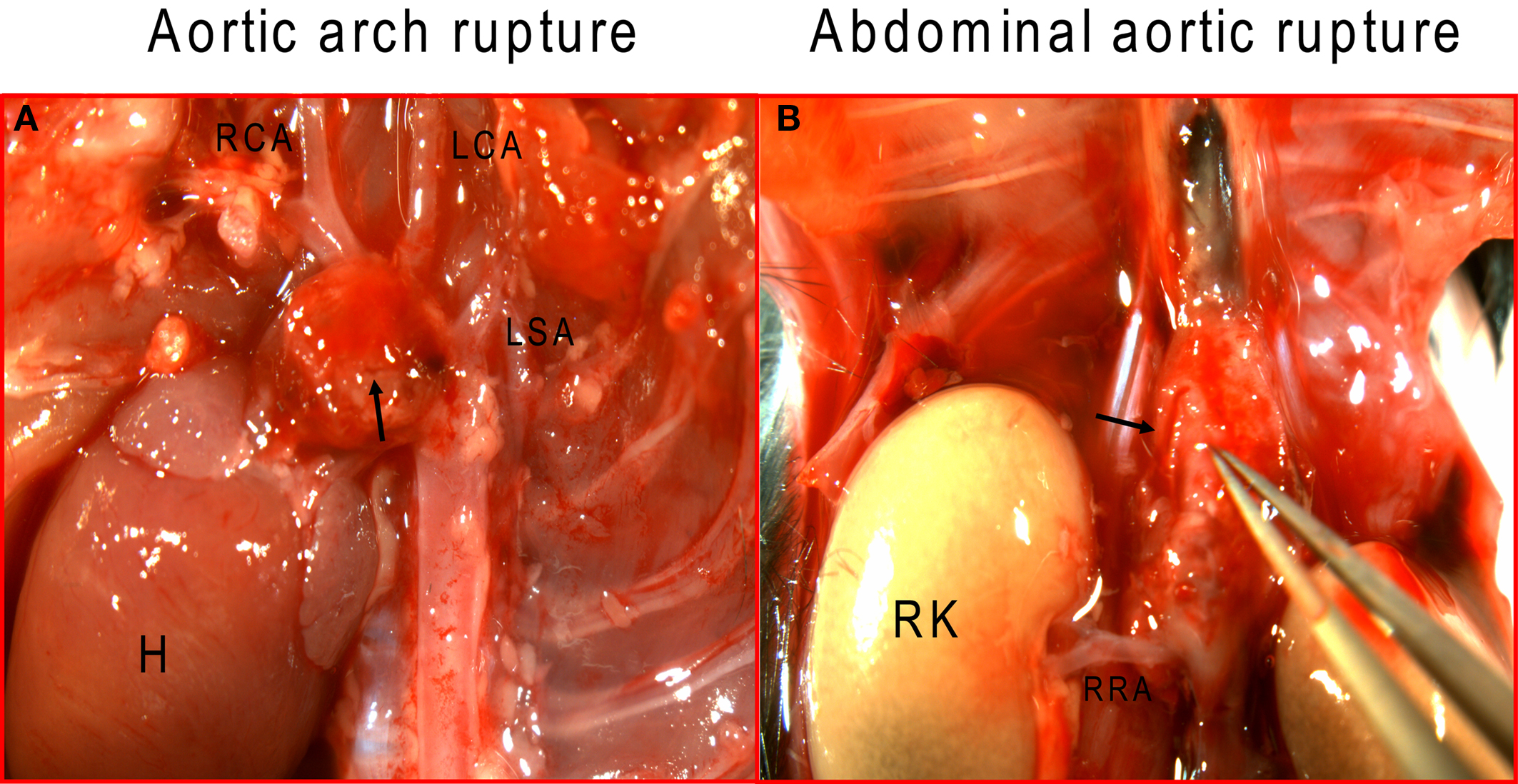
Frontiers The Murine Angiotensin IIInduced Abdominal Aortic Aneurysm Model: Rupture Risk and
Abdominal aortic aneurysm Netherlands PDF PPT Case Reports Symptoms Treatment


